The Philosophy of a Single Plate
Crafted with Unseen Precision
Preparation, judgement, technique — each one decides the taste. For a plate that is complete only the moment it is served, I build up the work no one sees.
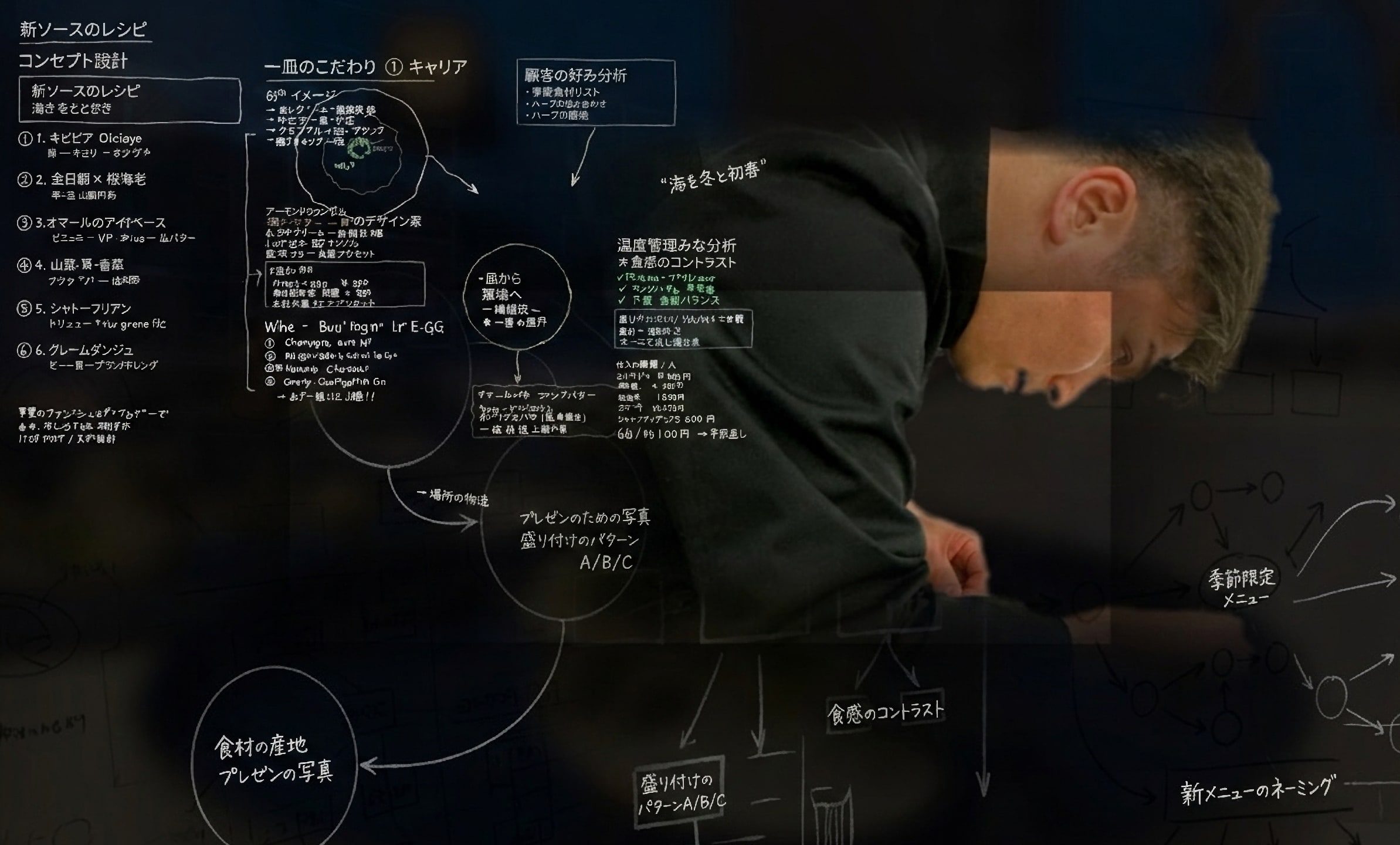
Cooking, to me, is a dialogue with the ingredient.
The unseen steps, and their accumulation, are what hold my cooking up.
I come to understand an ingredient deeply, refine it, and shape it so that its character appears in its most beautiful form. Even a dish of the same name turns out entirely differently when the condition of the ingredient differs.
That is why I value daily preparation and accumulated experience over the recipe itself. For a plate that is complete only the moment it is served, I build up the work no one sees.
01
Technique
Texture and aroma,
built in under vacuum
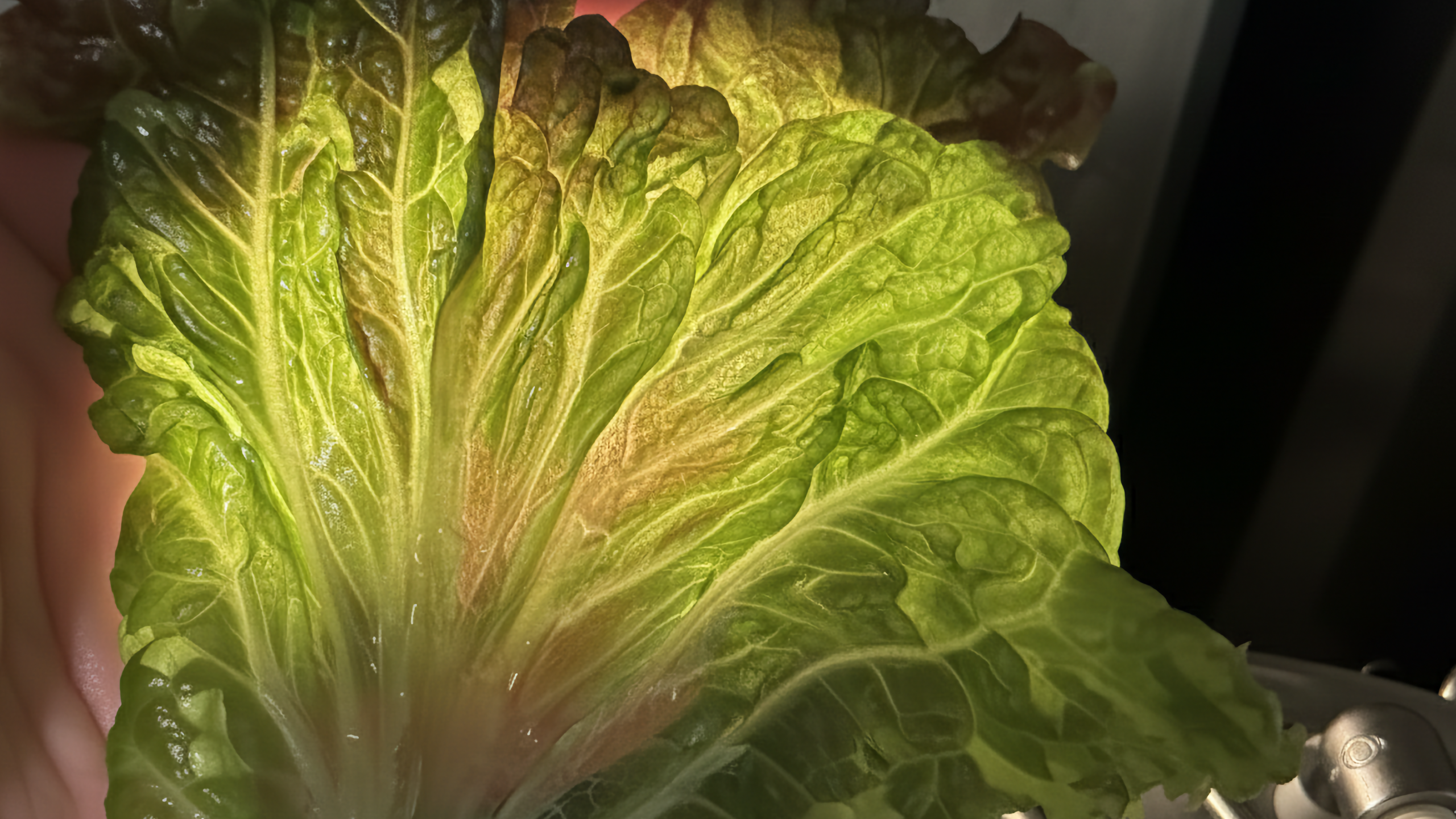
One of the steps I hold dear is a technique of reduced pressure — vacuum. By letting flavour reach evenly into the interior of an ingredient, I draw its character out further.
It is not a showy step, but one that reliably raises the completeness of a plate. Even within the constraints of catering, I consider it indispensable to keeping a dish at its very best the moment it is served.
02
Material
No two ingredients are alike,
even under the same name
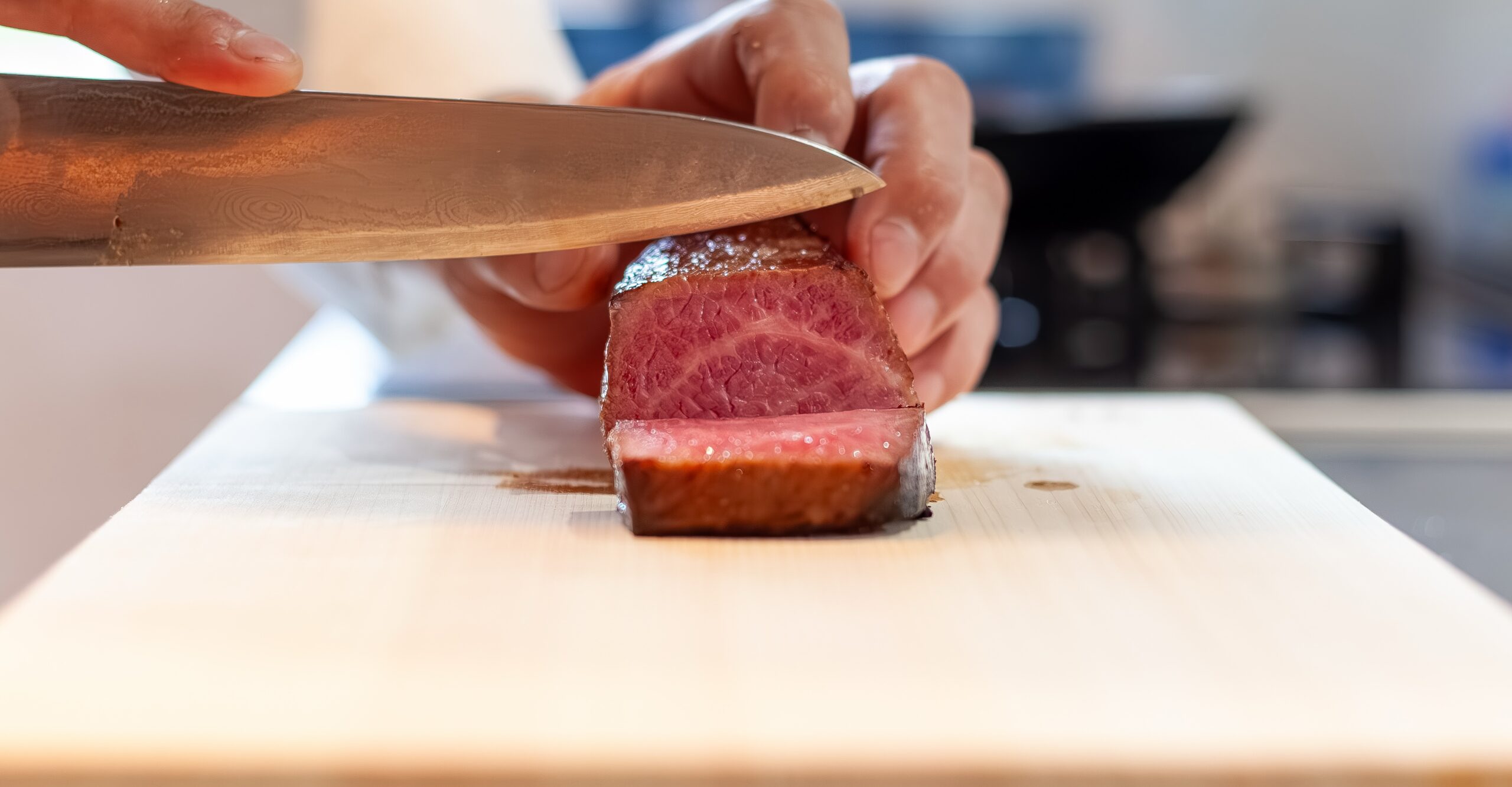
Even within a single word like wagyu, the texture, the umami and the grain differ greatly with the individual animal, its sex, the cut, and even its condition on the day. The same round of beef leaves an entirely different impression with one change in how it is cooked.
So I first confirm the state — touching, cutting, reading the aroma — and choose a method that asks nothing unnatural of that particular meat. Changing the method to suit the ingredient: that, in the end, is what leads to its most delicious form.
Technique is not the protagonist.
The protagonist is the memory of the moment it is tasted.
Signature
Signature Plates
The Foie Gras Monument
Concept
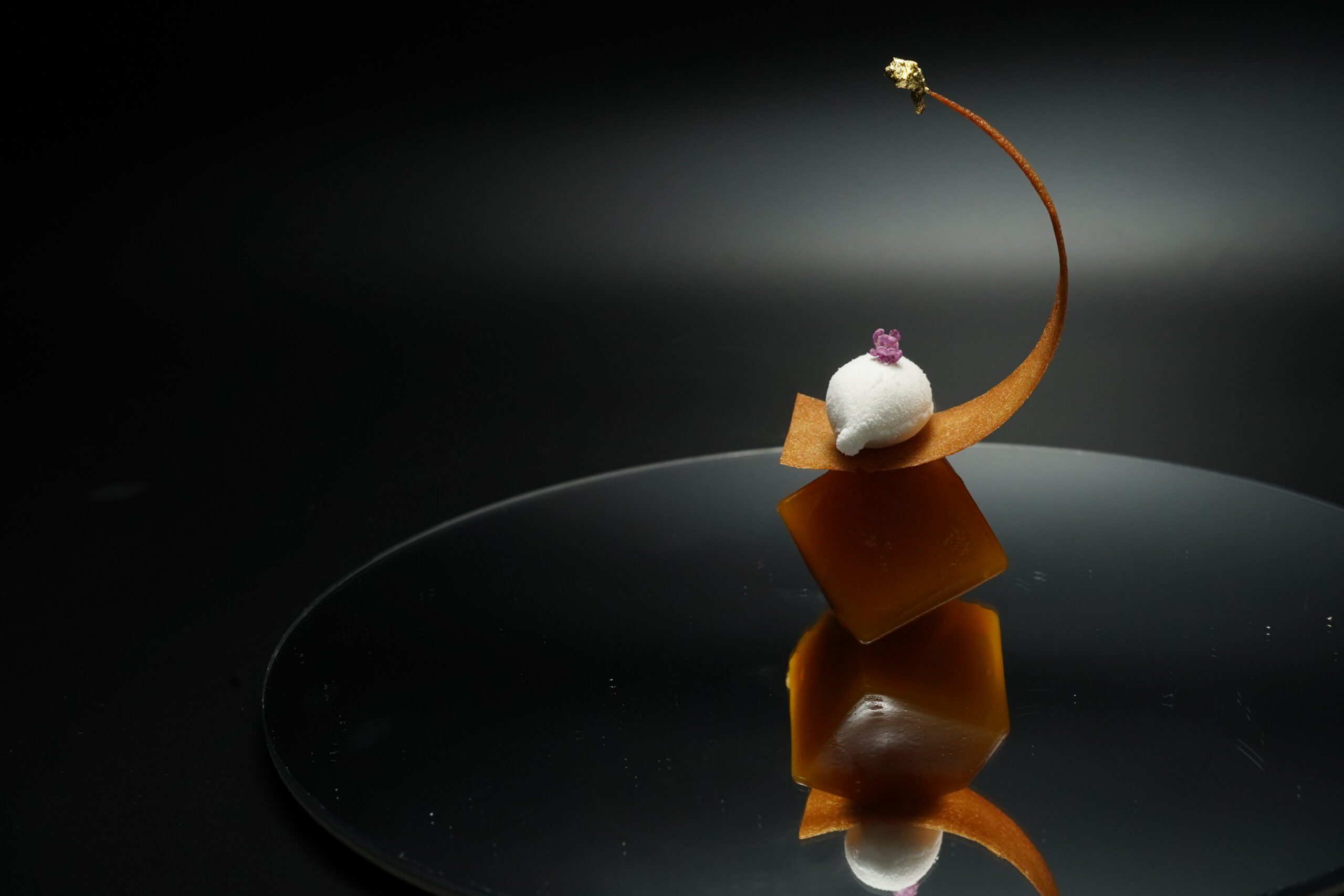
Reconstructed through a Japanese sensibility, without breaking the classic. Foie gras with the sweetness and acidity of fruit is a royal-road pairing of French cuisine — here layered with a sense that only a Japanese palate brings.
Design
Nankō-ume plum jam on the outside; within, a foie gras cream, a brown-sugar cookie and a lavender rare cheesecake are layered — rebuilt through a Japanese sensibility without losing the French esprit.
Intention
Born with one aim: that even someone who dislikes foie gras could say, “this, I can eat.” Deliberately fragile and unstable in form, it is a specialty completed as an experience that includes the very moment of serving.
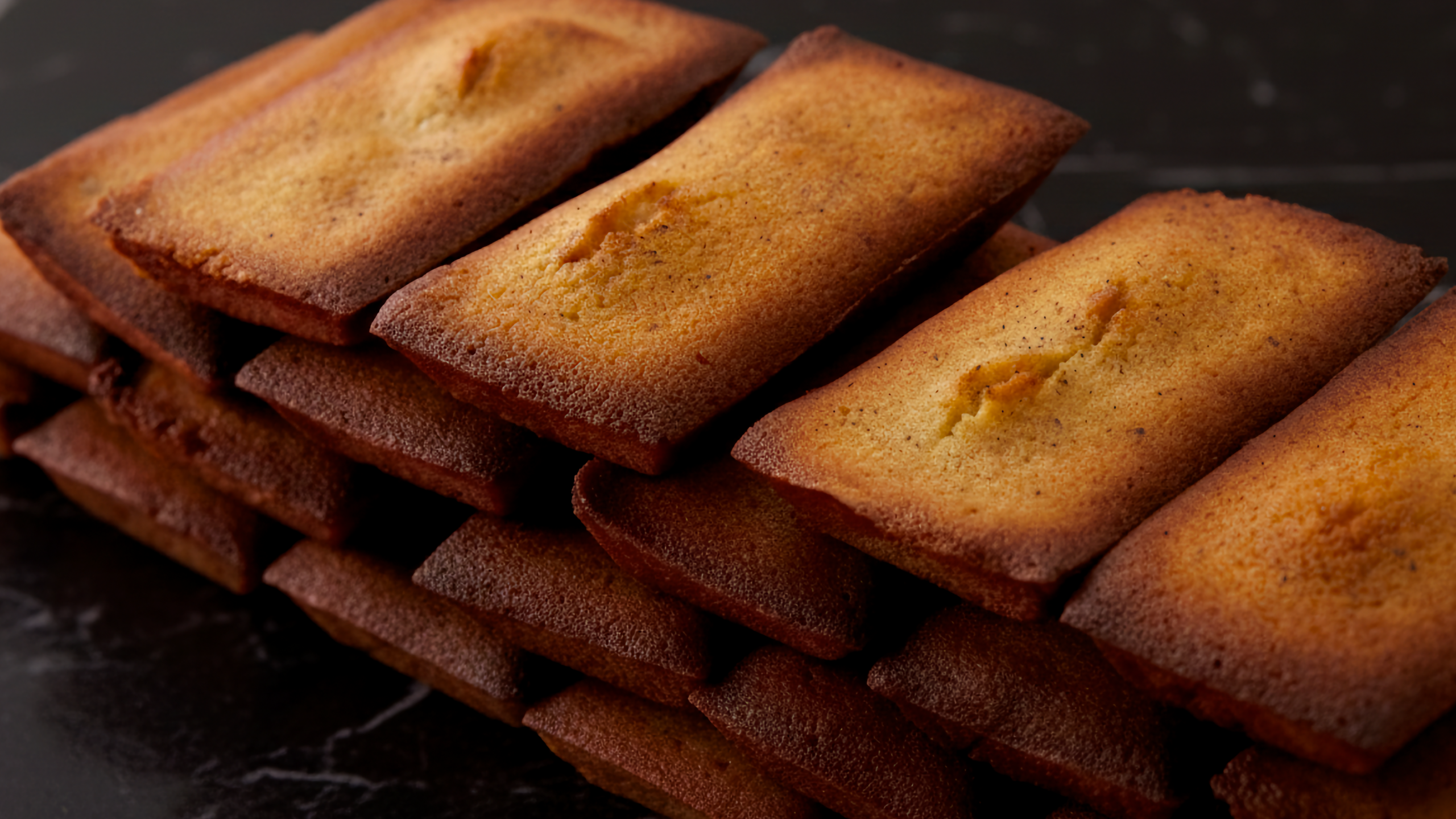
The Devil's Financier®️
Origin
A traditional confection, returned to what it ought to be. A sweet carried for over a century could not, by nature, be anything but delicious. Returning to that origin, this is a piece I have engaged with in earnest since 2016.
Process
Butter, flour, almond powder, sugar and salt were tested across different origins, the proportions adjusted to the 0.1 gram. A fragrant surface; butter that floods out at the bite; the scent of beurre noisette filling the senses — that is the texture pursued here.
Name
The name was born from the experience of guests saying they “simply could not stop.” A financier — too often taken lightly in Japan — restored to what it ought to be.
Private Inquiry
The philosophy within a single plate,
at your table.