Serving a Full French Menu in a Venue Without a Kitchen
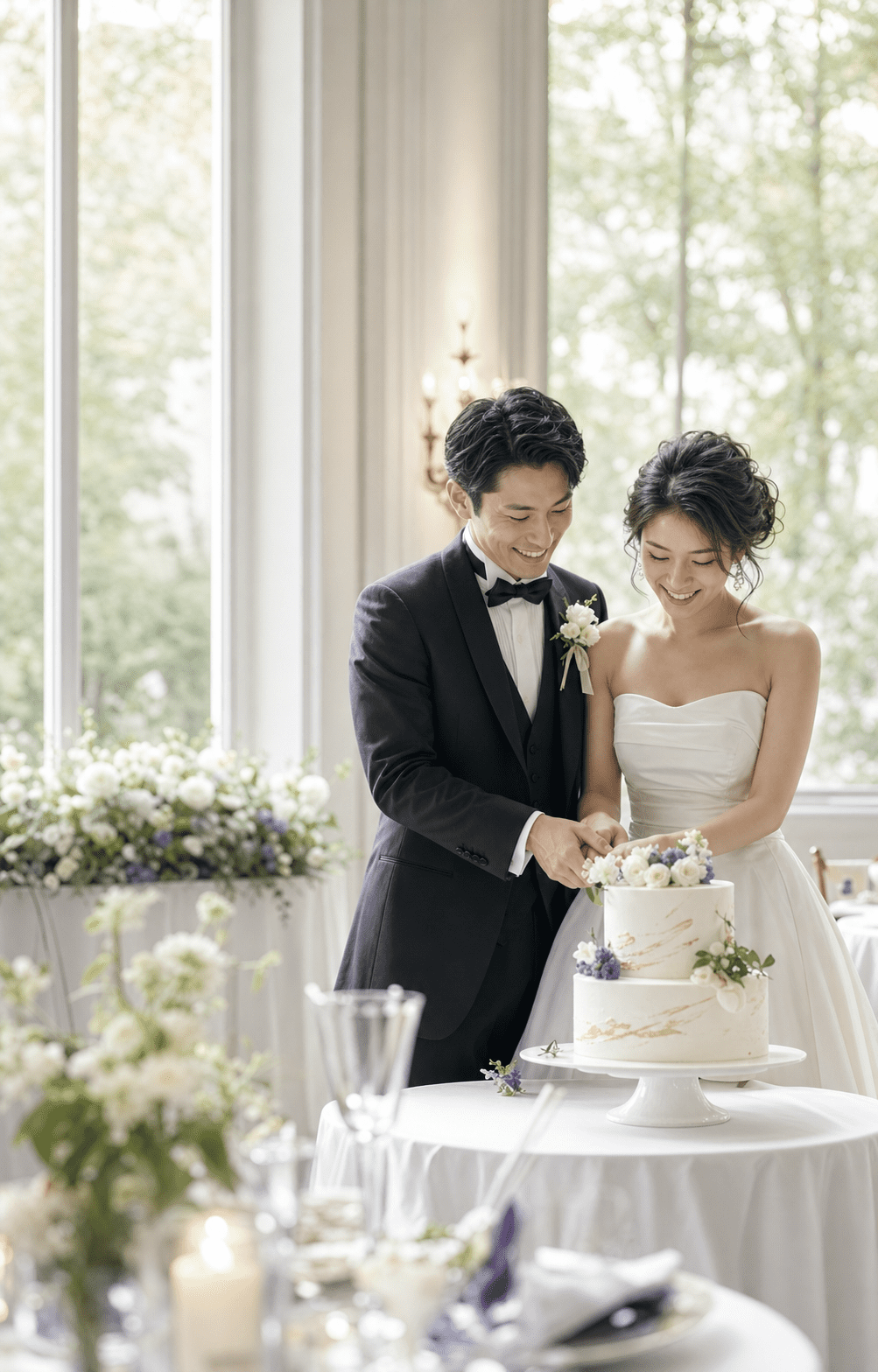
“We would like to hold our wedding reception or dinner here, but there is no kitchen.” This is something we occasionally hear when discussing corporate dinners, receptions and ceremonies.
There may be no open flame, only limited access to water, and no permanent kitchen in which to finish the food. It is natural to wonder whether warm dishes will be possible, whether the quality can match that of a fully equipped venue, or whether the menu will have to be compromised.
In a restaurant, cooking begins with the assumption that a kitchen is available: heat, water, refrigeration and a place to finish each dish. When serving away from a restaurant, however, I look at more than whether a kitchen exists.
Where will the food be prepared? To what stage should it be completed before travelling? How will its temperature be maintained, and when will the final touches be made? At what moment should it reach the guest?
By planning the entire journey to the table, it is possible to serve a full course menu even where facilities are limited.
Cooking Skills Alone Do Not Make the Whole Dinner Work
Serving French cuisine in a venue without a kitchen requires more than transporting dishes prepared in a restaurant. A different venue brings different equipment, guest numbers, schedules and serving times.
The task is to preserve the essence of the cooking while adapting the method to work in that setting. We need to consider the quality of the food and also whether it can be served safely, at the right time and without disrupting the occasion.
Different Experiences Come Together in My Work
I spent four years working in restaurants in France. I learned to assess ingredients, judge cooking, build stocks and sauces, and finish a plate in its best possible condition. After returning to Japan, I continued working in French cuisine and developing those skills.
Alongside restaurant work, I have cooked for private dining, catering and corporate occasions in many different environments. My experience in service also informs the way I think about a dish’s journey from the kitchen to the guest.
French culinary technique, experience making food work in varied settings, and an awareness of how it reaches the table have come together to shape my work today.
Making It Work as a Team
Serving many guests in a venue with limited equipment is not something I achieve alone. I personally bring together chefs with the skills and adaptability to support my cooking in unusual environments.
An overall event manager is also present on the day, coordinating not only the chefs but also the venue team, service staff, master of ceremonies and others involved.
With clear responsibilities for the cooking and for connecting the wider team, we can keep the food and the programme moving as one.
Changing the Method While Preserving What Matters
Different equipment calls for different methods of cooking and service. Changing the method does not mean accepting a lower standard.
We adapt the menu and its stages of preparation to achieve the best possible result in that venue, while preserving the flavour, temperature, aroma and finish that matter in French cuisine.
Safety is equally important. We inspect the facilities and the routes people will use, then assess whether there is a method that protects both quality and safety before making a proposal.
I am not suggesting that everything is possible. Judging accurately what can and cannot be done, and what may and must not change, is part of a chef’s responsibility.
Cooking for That Venue, on That Day
At Hiromi Koshimizu Gastronomie, we do not simply take restaurant food outside the restaurant. We build the food for the occasion, taking into account the equipment, programme, number of guests and time of service.
The absence of a kitchen is a condition to work with when considering the appropriate way to serve. It need not mean giving up on the food you hope to offer.
If you are unsure about a venue’s facilities or how food could be served there, please speak with us. By reviewing the equipment, movement through the space and programme, we can propose what is achievable while protecting quality and safety.