What Southern France Taught Me About Earning Trust
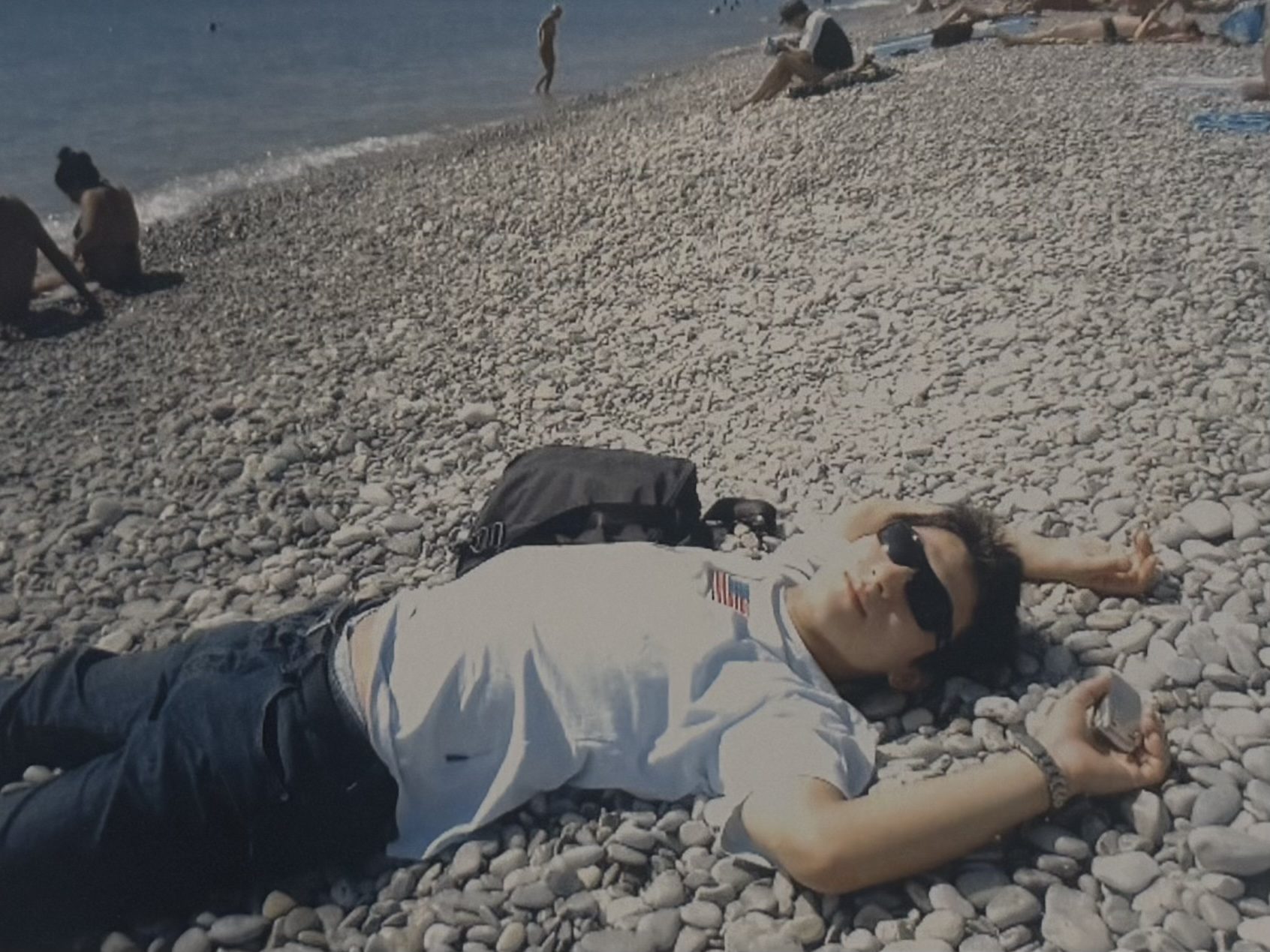
As I came to the end of two years of training near Paris, I began thinking about my next step. I wanted to work in southern France, a region I had long admired.
While looking for a position, I learned that a restaurant in Narbonne was seeking a chef for its fish section. I decided to apply.
I travelled south from Paris by TGV. I think it was shortly after we passed Aix-en-Provence that the colour of the sky visibly changed. The blue grew more vivid. The stone and buildings outside were white, and the whole landscape suddenly seemed brighter.
“So this is the south of France.” I remember the quiet excitement of realising that I had arrived in the place I had imagined for so long.
Something Felt Wrong in a Kitchen Divided into Sections
The kitchen in Narbonne was very different from those I had worked in before. My previous restaurant had operated with a small team covering the whole kitchen. Here, fish, meat, starters and desserts were clearly separated, with several staff assigned to each section.
I joined as chef of the fish section. It was a kitchen with a high degree of specialisation, but one thing troubled me almost immediately: the sections worked too independently of one another.
The fish section concentrated on its own dishes. The meat section did the same. Yet for the guest, those divisions mean nothing. Dishes for the same table need to be ready at the same time and in their best possible condition.
Sometimes the fish was finished while the meat was still cooking, and the fish cooled as it waited. Sometimes the reverse happened and a dish had to be remade. As a chef, I found that deeply wasteful.
Start by Talking to the People Beside You
I went to speak with the chef of the meat section. “Wouldn’t it be better if we coordinated our timing? We could serve the food in better condition, and it would save both of us unnecessary work.”
He agreed. From then on, we began calling out to each other: “How many minutes do you need?” “We’re ready here.” “Let’s both be ready in this many minutes.”
Sometimes I visited his home after work or at the weekend, and we talked about the kitchen over a beer. Our conversations continued beyond service: what we could do better, and what we might try next. Little by little, we developed a way of working together.
Working for a Chef of Just 33
The head chef was only 33 at the time. He had returned after gaining experience in restaurants with two and three Michelin stars. He was young, energetic and constantly introducing new ideas, quick to point out anything in the kitchen that concerned him.
Above all, he disliked seeing a dish he had conceived reach a guest in anything less than its intended condition. His standards were demanding, and he was strict when the result fell short.
As a newcomer, I was not yet in a position to tell him directly that the kitchen needed a different way of coordinating its work and expect him to listen immediately. So I began with the work itself: talking with colleagues, improving the way we operated and producing results.
Gradually, I earned the trust of those around me. In time, I could speak directly with the chef about the food and the kitchen.
Starting with the Ingredients That Arrive Each Day
Another important lesson came from the daily fish deliveries. The chef went to the market himself and bought whichever fish he thought looked good that day. Until he returned, we did not know what would arrive.
He usually came back around ten in the morning. We looked at the fish, and the day’s menu took shape from there.
Rather than repeating a fixed dish every day, we began by looking at the ingredients. We assessed the condition of the fish, understood what the chef wanted to express, and prepared the dish accordingly.
I had also handled a great deal of fish at my previous restaurant, so I was gradually developing my own judgement about how far to take the cooking of a particular fish. Understanding the chef’s culinary vision and giving it form within my own section became an important part of my work.
Cuisine Continues to Change
The chef was also enthusiastic about new forms of culinary expression. This was the period when molecular gastronomy, particularly the work associated with El Bulli, was attracting attention around the world.
Techniques and ideas I had never encountered kept arriving in the kitchen. Alongside classical French cooking, I learned to consider how new techniques might become part of a dish. That kitchen taught me that cuisine evolves with its time, even as it carries its traditions forward.
What Lies Beyond the Kitchen
There was much to learn outside the kitchen in Narbonne, too. I was taken to wineries and food producers, where I met the people who grew and made the ingredients of the region.
Every ingredient has a producer behind it, as well as a climate and a culture. What a chef handles in the kitchen is only the final part of a much longer process.
Nor does one cook alone complete a dish. Each section has to fulfil its role, understand the others and work with the service team before a plate can reach the guest.
Becoming Someone the Team Relies On
I stayed at the restaurant for two years. Throughout that time, I held to one intention: to earn lasting trust in a single restaurant, rather than move on quickly simply to add another name to my career history.
By the time I left, I wanted people to feel, “It will be difficult without Hiromi.” Cooking skills alone would not be enough. I needed to be someone who could be trusted with the work, cooperate with others, take the initiative when a problem appeared and build trust through small, consistent results.
When I finally returned to Japan, everyone at the restaurant organised a farewell party for me. That was when I felt I had truly been accepted as part of the team.
What Remains in My Work Today
In catering and private dining today, the venue, equipment and conditions change from one occasion to the next. We form a team for that day, working with chefs, service staff, venue representatives and, on some projects, many outside specialists.
The quality of the cooking is essential. But for a client to entrust an important occasion to us with confidence, everyone on site also needs to be working towards the same purpose.
No one is trusted from the outset. First, you do the work. You talk to the people around you. You act when you notice a problem. Then you build a record of results.
My two years in Narbonne helped me become not only a better chef, but also someone who could be trusted with responsibility. One of the foundations of what matters to me today—being someone a client can rely on—lies in that kitchen in southern France.