Why Company Presidents Invite a Chef into Their Own VIP Rooms
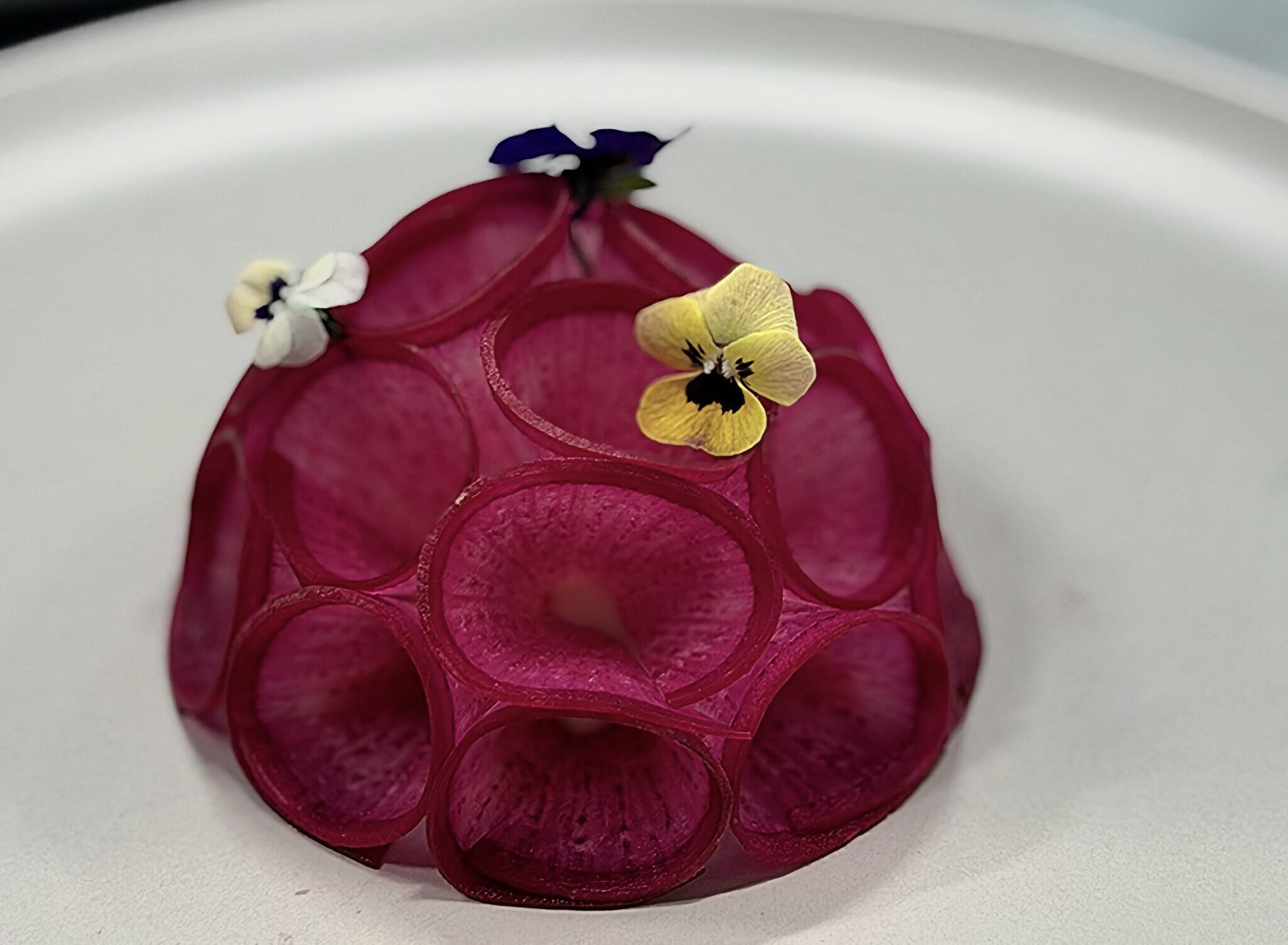
A Form of Business Hospitality That Is Quietly Growing
I have noticed a pattern in recent enquiries. More company presidents and executives are asking me to serve a course menu in the VIP room of their own office building.
They come from finance, construction and many other sectors, but share the same intention: to offer their guests the finest hospitality in their own most special space. Instead of reserving a restaurant, they invite a chef into a setting that belongs to the company.
What a VIP Room Communicates
The VIP rooms of major companies often occupy exceptional positions, even within prime locations. They offer a setting that a restaurant cannot reproduce: a space expressing the company’s character and aesthetic, prepared specifically to receive its guests.
Inviting a chef into that room becomes a message from host to guest: “We have prepared this especially for you.” It can communicate more than words alone.
Two Things That Surprise Guests
When I serve food in these settings, I often see two kinds of surprise. The first is at the food itself. Guests say they had not expected dishes of this appearance and flavour in such a place. Because the setting is not a restaurant, exceeding expectations can make a particularly strong impression.
The second concerns the host. I have often heard guests remark on the thought and ability of a president who has arranged such an occasion. The quality of the food becomes part of how the host is perceived.
Being Personally Chosen by the Host
Many of these assignments begin when the company president asks for me by name. I design the menu around the client’s preferences and budget. The courses I am entrusted with are often in the range of ¥25,000 to ¥55,000 per guest, and I oversee the selection of ingredients, the course structure and service on the day.
A president personally choosing a trusted chef and inviting them into the company’s finest room is itself an expression of respect for the guests.
How This Differs from a Restaurant
A restaurant is an excellent choice for business hospitality. The setting, however, is ultimately managed by the restaurant.
When a chef comes to a company’s own VIP room, the host can shape the space: how guests move, where they sit, the distance between conversations and the timing of the meal.
My role is to design the food and service for that setting and deliver them reliably. I need to understand the host’s intentions and express them in a form guests can experience, helping the relationship between host and guest deepen through the meal.
This creates a form of hospitality distinct from what a restaurant can offer.
Why More Hosts Are Making This Choice
I believe more business leaders are beginning to regard a meal as a considered way to build relationships, as well as an occasion to dine together.
They welcome important guests into their own finest space and serve food prepared by a chef they trust. That shared experience can create a kind of trust that exchanging business cards or holding a meeting alone does not.
As a chef, I am proud to be part of those occasions.